“Scientists have become bearers of the torch of discovery in our quest for knowledge.” – Stephen Hawking
Rationale: Purpose of Study (taken from the National Curriculum)
A high-quality science education provides the foundations for understanding the world through the specific disciplines of biology, chemistry and physics. Science has changed our lives and is vital to the world’s future prosperity, and all pupils should be taught essential aspects of the knowledge, methods, processes and uses of science. Through building up a body of key foundational knowledge and concepts, pupils should be encouraged to recognise the power of rational explanation and develop a sense of excitement and curiosity about natural phenomena. They should be encouraged to understand how science can be used to explain what is occurring, predict how things will behave, and analyse causes.
Intent
At Nanpean CP School, our intent is to develop pupils’ secure scientific knowledge while nurturing the enquiry skills needed to ask questions, conduct investigations, interpret evidence and explain phenomena. We aim to build curiosity and excitement about the world, provide purposeful opportunities to work scientifically and ensure learning is carefully sequenced so children know more, remember more and can apply their understanding confidently.
Implementation
Science has been carefully planned, following the National Curriculum programme of study, across the school so that children develop knowledge and skills progressively and sequentially during their time at Nanpean School.
Science is taught by the class teacher in half termly topics with the learning recorded in either science books, class books or on the ipad. The use of knowledge organisers encourages the children to remember and recall the key information from each topic.
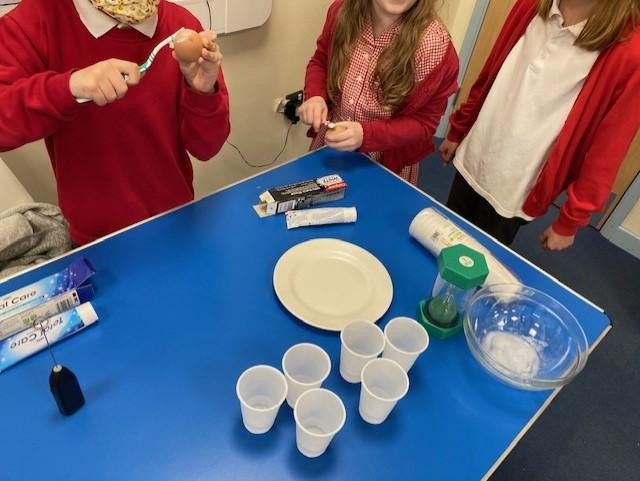
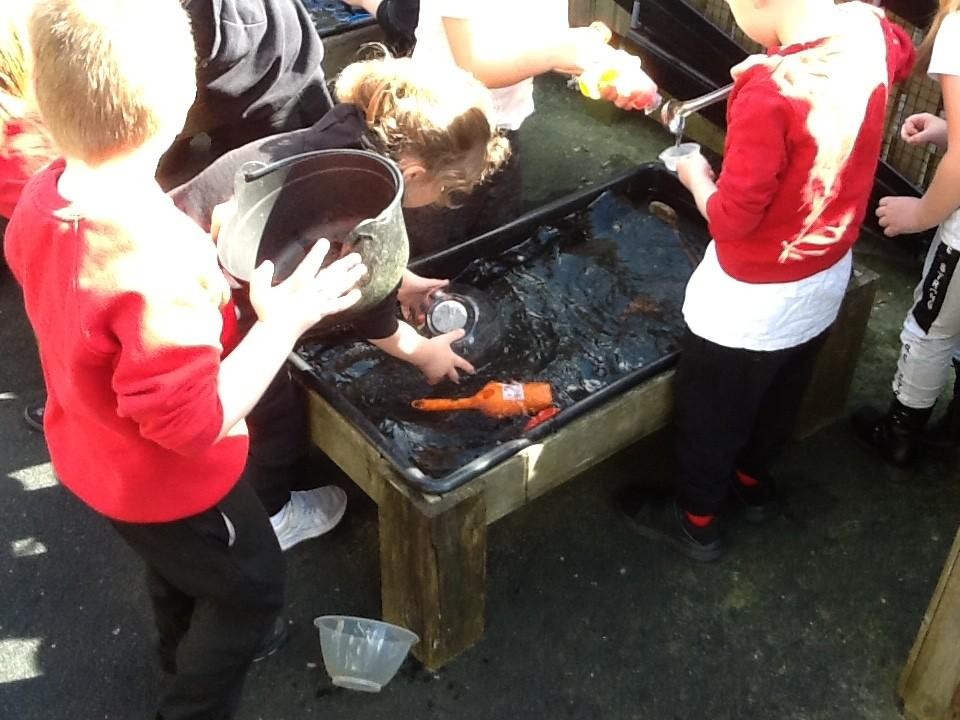
During lessons, children are encouraged to work as scientists, to ask their own questions, plan their own investigations, and be given opportunities to use their scientific skills and research to discover answers and come to their own conclusions. Children are also encouraged to reflect and evaluate their enquiries and findings, and discuss these with others, so as to challenge their own and others’ perspectives appropriately. To achieve this there are:
- Clear learning sequences that help children build and deepen scientific knowledge.
- Practical, enquiry‑based approaches that let children explore, investigate and apply their ideas.
- A range of recording methods used by children to show and explain their learning.
- Consistent starter activities include sticky knowledge related to previous learning.
- Knowledge Organisers used to support learning.
- Activities designed to challenge and include all learners, ensuring everyone can succeed.
Impact
We measure the impact of our curriculum through the following methods:
- Revisiting previous learning through retrieval opportunities.
- Whole class feedback and feedforward at the beginning of every lesson
- Formative assessing of on-going learning.
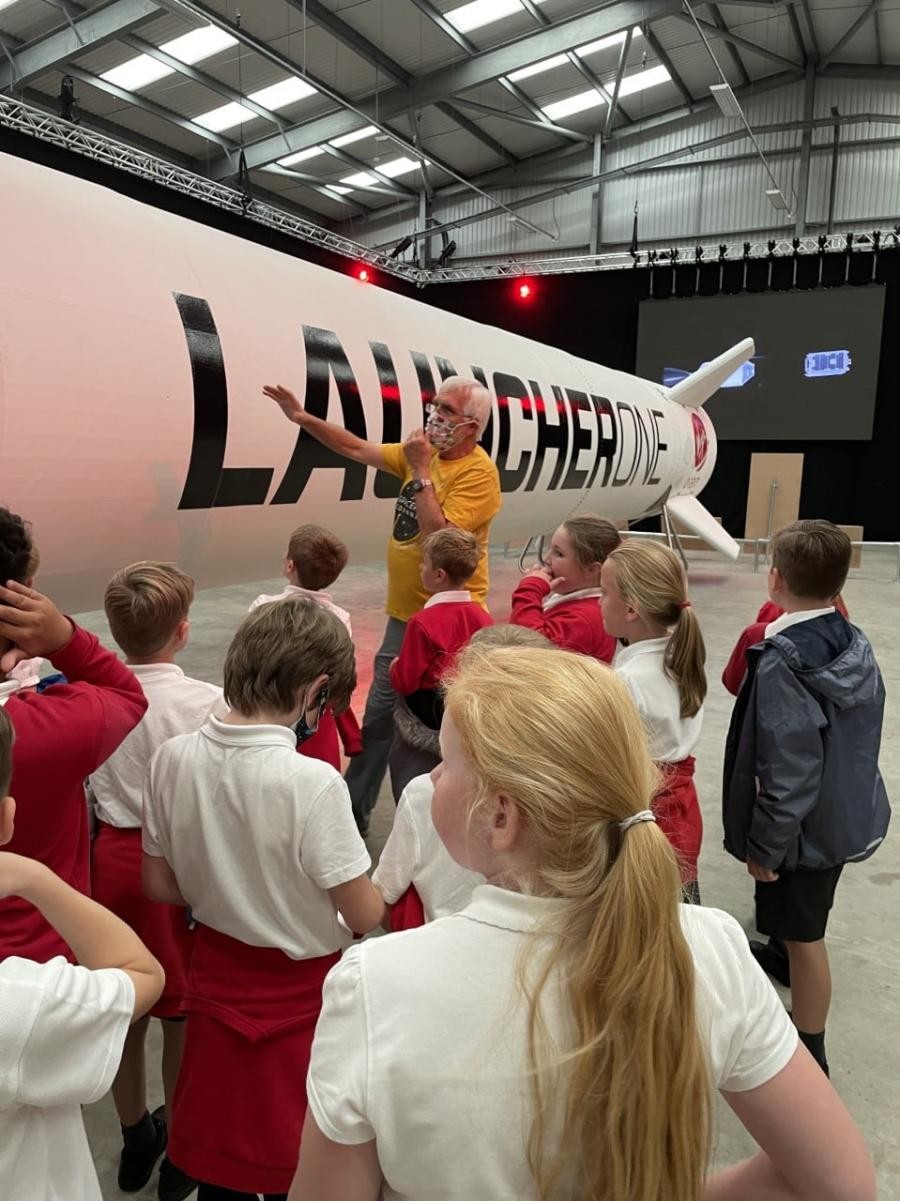
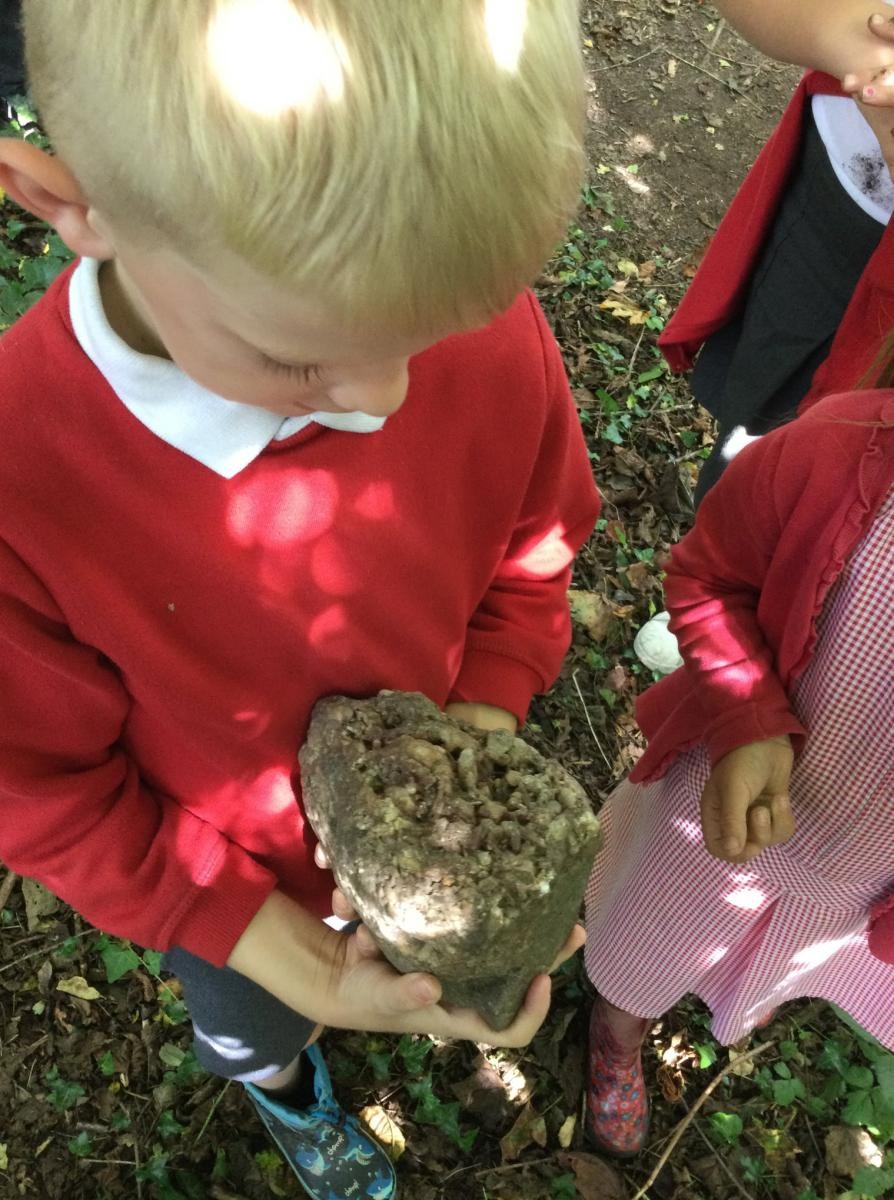
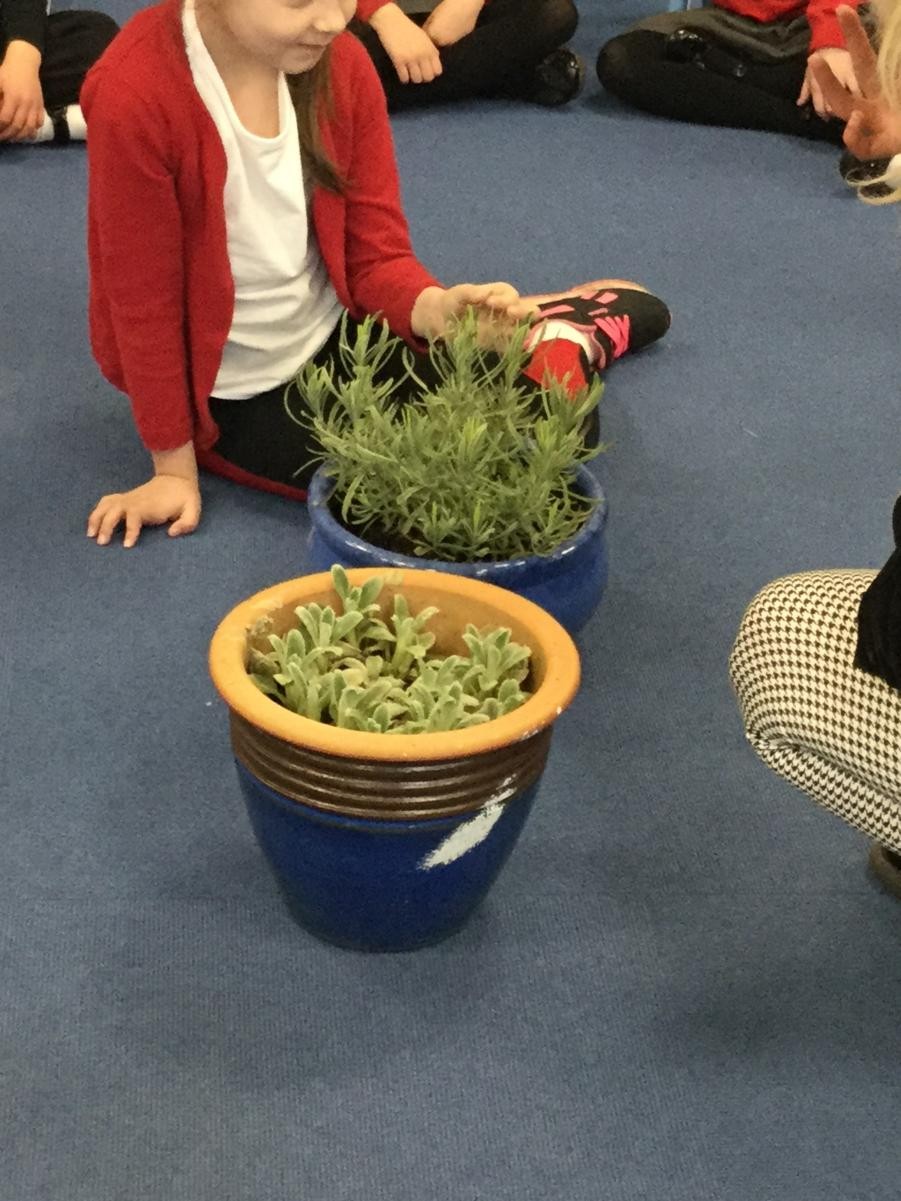
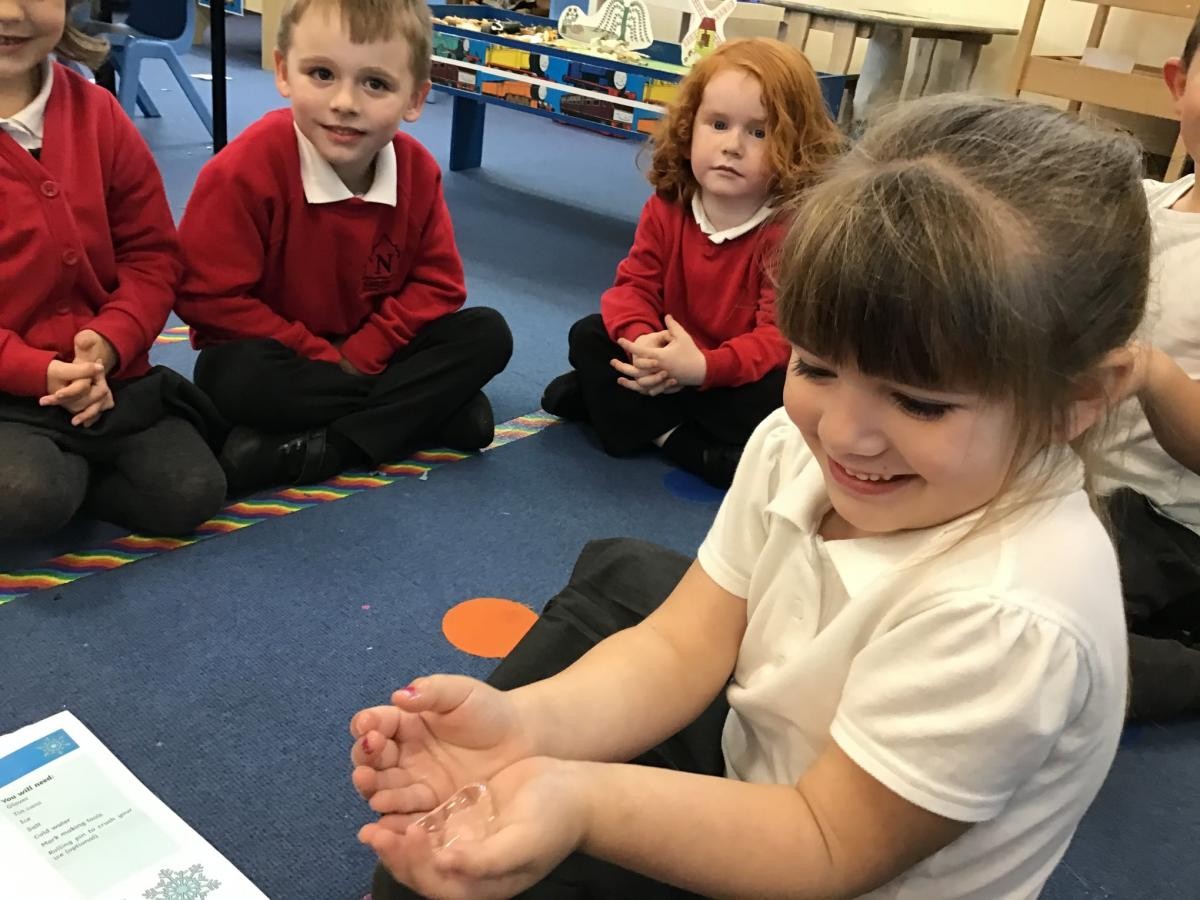
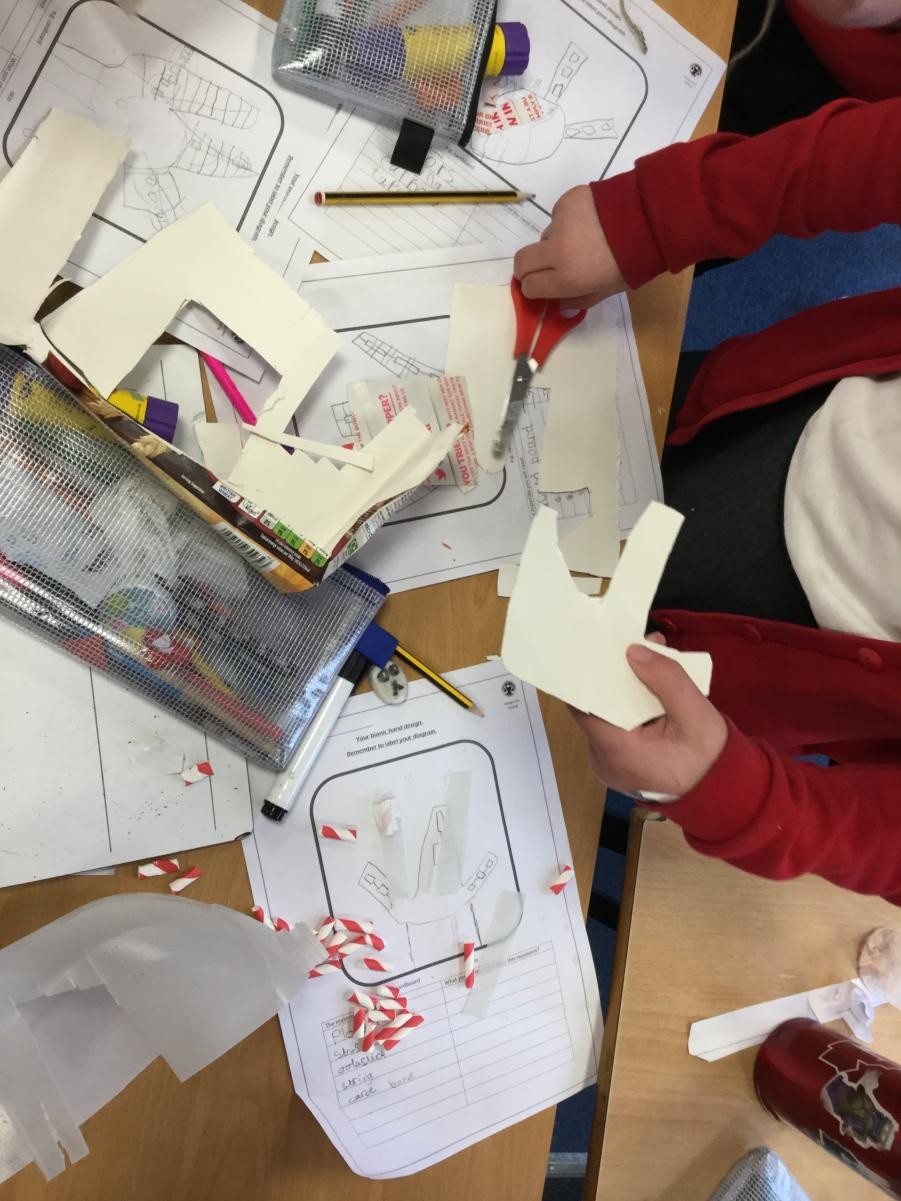
- Images and videos of the children’s practical learning
- Interviewing the pupils about their learning (pupil voice) with their books
British Values
Respect for equipment and physical environment and the living organisms within them.
At Nanpean School, British Values are embedded into the Science Curriculum, where appropriate, while we also learn about British Values at other specific times, such as during Collective Worship opportunities (Assemblies).
During Science, children are reminded to respect the equipment and the physical environment and the living organisms within them.
Children also show that they have respect for democracy and that all children have the right to have their voice heard. When sharing viewpoints or ideas, children are encouraged to be mutually respectful to consider all suggestions, even if this is different to their own.
By looking at the achievements of significant people in Science, such as Scientists and Inventors (when relevant), children develop an awareness of how they have influenced and shaped the country in which we live. This includes an appreciation of their work.
SMSC

Teaching children to make sense of the world we live in is fundamental to our Science Curriculum. Children know that Science will not provide all answers but that there are continually new discoveries.
Children are encouraged to have moral values to protect our environment and use discoveries and inventions responsibly. We encourage children to be open-minded, and critical in relation to evidence, as we believe this will further their understanding.
Children are made aware that Science can have an impact on the quality of our lives, for example through the development of medicines. Children also know the importance of keeping each other safe during lessons.
Children are encouraged to consider how Scientists from different cultures or with protected characteristics have contributed to the world and have affected our lives. Science learning is also enhanced through our termly Aspirations afternoons, with classes having visitors linked to Science jobs or careers when appropriate.
How you can help your child at home
Why not visit a local museum to pique your child’s interest and support their learning about Science? An example of this would be the Eden Project.
How about facilitating discussions with your child in relation to their Science learning (see the Overview document which is one of the attachment links above). You could also discuss with your child the important skills of being a Scientist, and could even plan your own practical investigations or experiments to prove or disprove a theory!
The following websites could also be used to support your child:
https://pstt.org.uk/resources/science-fun-at-home/